
Choosing the Best Engine Oil: Practical Guide to Avoiding Common Selection Mistakes
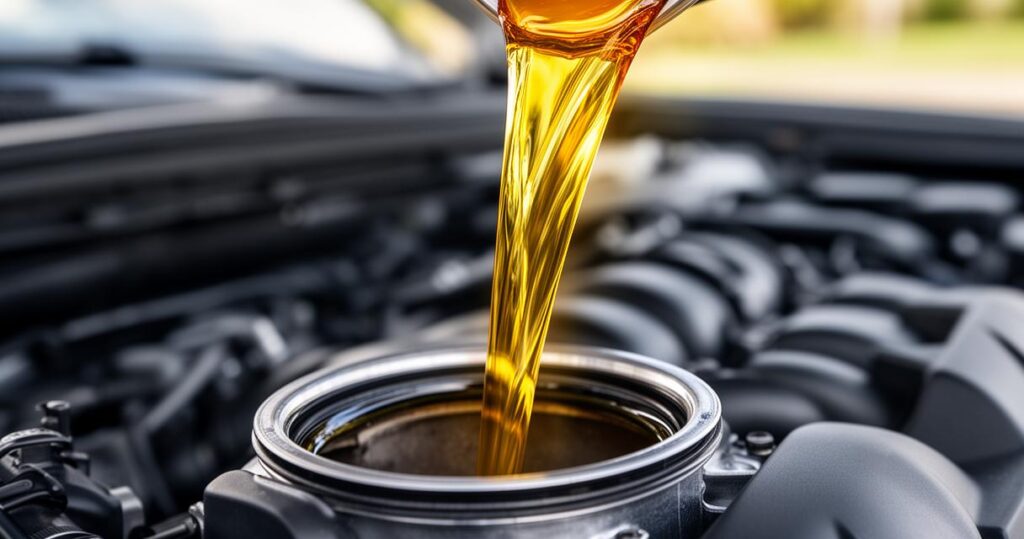
Selecting the appropriate engine oil for your vehicle might appear to be a straightforward task, yet the sheer variety of products available on the market can make the process surprisingly complex. With numerous types, grades, and brands to consider, motorists often find themselves uncertain about which option will best serve their engine's needs. Understanding the fundamental characteristics of car engine oils and how to interpret the information presented on packaging labels is essential for making an informed choice that will protect your engine and ensure its longevity.
- Engine oil is vital for lubricating, cooling, and protecting vehicle engines from wear and corrosion.
- Mineral oils offer basic protection, while synthetic oils provide superior thermal stability and performance, and semi-synthetic oils offer a balanced middle ground.
- Viscosity grades, such as 5W-30, indicate how an oil flows at cold temperatures versus operating temperatures, which is critical for engine protection during startup and under load.
- Selecting the wrong viscosity can lead to poor circulation or insufficient protection, potentially causing significant mechanical wear.
- It is essential to consult your vehicle's handbook to match the manufacturer's specific requirements, especially regarding engine type and emission control systems.
- Modern engines often require specialized additive packages to prevent damage to components like catalytic converters and diesel particulate filters.
- Ignoring manufacturer specifications and performance standards can lead to reduced fuel efficiency and costly long-term engine repairs.
Understanding engine oil fundamentals and types
Engine oil serves as the lifeblood of your vehicle's motor, providing lubrication, cooling, and protection against wear and corrosion. The oil you choose must be capable of performing these functions effectively under the specific operating conditions your engine encounters. Car engine oils come in various types and grades, each formulated to meet different performance requirements and environmental conditions. Recognising the distinctions between these varieties is the first step towards avoiding common selection mistakes that could compromise your engine's health.
The essential differences between synthetic, mineral, and semi-synthetic oils
The three primary categories of engine oil are synthetic, mineral, and semi-synthetic, and each type of oil has unique properties that make it suitable for particular applications. Mineral oils are derived directly from refined crude petroleum and represent the traditional choice for many vehicles. These oils provide adequate protection for older engines and those operating under normal conditions, though they tend to break down more quickly under extreme temperatures or demanding driving scenarios.
Synthetic oils, by contrast, are engineered through chemical processes that create a more uniform molecular structure. This advanced formulation delivers superior performance across a wider temperature range, offering enhanced protection during cold starts and maintaining viscosity more effectively at high operating temperatures. The molecular consistency of synthetic oils also means they resist thermal breakdown and oxidation more successfully than their mineral counterparts, which translates to longer service intervals and better long-term engine protection.
Semi-synthetic oils occupy the middle ground, blending mineral and synthetic base stocks to achieve a balance between performance and cost. These formulations offer improved protection compared to conventional mineral oils whilst remaining more affordable than fully synthetic products. For many modern vehicles operating under typical driving conditions, semi-synthetic oils represent an excellent compromise that delivers reliable protection without the premium price tag associated with full synthetics.
Decoding Viscosity Grades and What They Mean for Your Vehicle
Viscosity describes an oil's resistance to flow and represents one of the most critical characteristics to consider when selecting engine oil. Understanding the label on oil packaging is important, particularly when it comes to interpreting oil grades indicated by the familiar numbering system. The viscosity rating appears as a combination such as 5W-30 or 10W-40, where the numbers reveal how the oil behaves at different temperatures.
The first number followed by the letter W, which stands for winter, indicates the oil's flow characteristics at cold temperatures. A lower number means the oil remains thinner and flows more readily when the engine is started in cold conditions, ensuring that vital components receive lubrication quickly. The second number refers to the oil's viscosity at normal operating temperature, with higher numbers indicating thicker oil that maintains a protective film between moving parts under heat and stress.
Choosing the correct viscosity grade is essential because oil that is too thick may not circulate properly when cold, leading to increased wear during startup, whilst oil that is too thin at operating temperature may fail to provide adequate protection under load. This guide aims to help interpret oil grades so that you can match the viscosity specification to your vehicle's requirements, taking into account factors such as climate, driving style, and engine age.
Matching engine oil to your vehicle's specific requirements
Every engine is designed with particular tolerances and operating characteristics that dictate the type of lubrication it requires. Using an oil that does not meet your manufacturer's specifications can lead to reduced efficiency, increased wear, and potentially serious mechanical problems. The key to avoiding these issues lies in understanding how to identify the correct oil specification for your engine type and recognising the importance of manufacturer standards and certifications.
Identifying the Correct Oil Specification for Your Engine Type
Your vehicle's handbook contains specific recommendations regarding the oil properties and performance standards required for optimal operation. These specifications take into account factors such as engine design, emission control systems, and the operating conditions the vehicle is likely to encounter. Modern engines, particularly those equipped with advanced emission control technologies, often require oils with specific additive packages that prevent interference with catalytic converters and diesel particulate filters.
For diesel engines, the requirements can differ significantly from those of petrol-powered vehicles, with oils formulated to cope with higher compression ratios and different combustion characteristics. Some diesel engines also demand oils that can manage soot contamination and resist the corrosive effects of sulphur compounds. Failing to select an oil specifically adapted to different performance needs and conditions can result in accelerated wear, reduced fuel efficiency, and costly repairs.
It is worth noting that older vehicles may benefit from oils formulated for higher-mileage engines, which contain additives designed to condition seals, reduce oil consumption, and minimise leaks. These specialised products acknowledge that wear patterns and tolerance changes occur as engines accumulate miles, and they provide targeted protection that standard oils may not deliver.
How manufacturer standards and certifications guide your choice
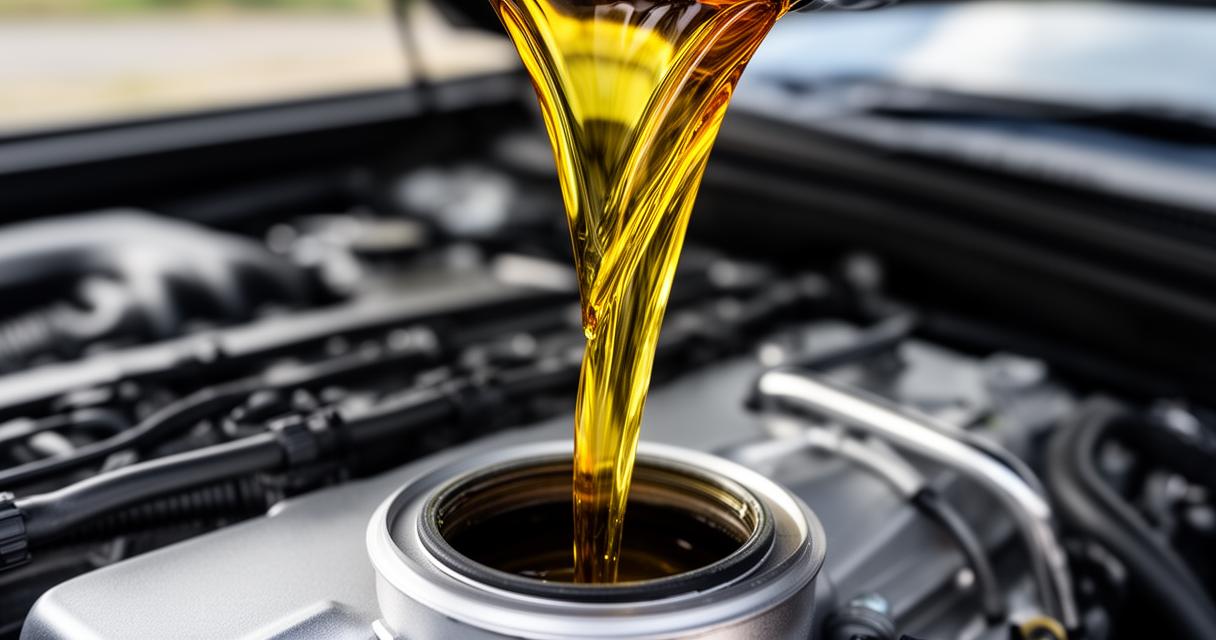
Engine oil packaging displays various symbols and certifications that indicate the product meets specific industry standards. These markings serve as quality assurance, confirming that the oil has undergone rigorous testing and satisfies the performance criteria established by organisations such as the American Petroleum Institute or the European Automobile Manufacturers' Association. Valvoline is noted as America's first motor oil brand, and like other reputable manufacturers, it produces oils that carry these important certifications.
When examining oil packaging labels, look for the API service classification, which uses letter codes to denote the oil's suitability for different engine types and model years. For petrol engines, classifications beginning with the letter S indicate oils formulated for spark-ignition engines, whilst those starting with C are designed for compression-ignition diesel engines. Higher letters in the sequence generally represent more recent and stringent specifications.
European standards, often expressed as ACEA sequences, provide similar guidance but with classifications that reflect European engine designs and fuel characteristics. Many vehicle manufacturers also issue their own proprietary specifications, such as those from Volkswagen, Mercedes-Benz, or Ford, which require oils to pass additional tests relevant to their particular engines. Ensuring that your chosen motor oil brand meets or exceeds these standards is fundamental to maintaining warranty coverage and protecting your investment.
Making smart investment decisions and maintenance practices
The decision of which engine oil to purchase involves more than simply identifying the correct specification. Considerations of cost, quality, and maintenance practices all play important roles in ensuring that your engine receives the protection it needs whilst delivering value for money over the long term.
Balancing cost considerations with long-term engine protection
Price can vary considerably among different oil products, and it may be tempting to opt for the least expensive option available. However, investing in quality oils pays off in the long run by providing better protection and prolonging engine life. Higher-quality oils typically contain superior base stocks and more advanced additive packages, which translate to enhanced performance under demanding conditions and longer intervals between changes.
Whilst premium synthetic oils command higher initial prices, they often deliver extended service intervals that reduce the frequency of oil changes and the associated labour costs. The improved protection they offer can also prevent expensive repairs caused by inadequate lubrication, making them a cost-effective choice when viewed from a total ownership perspective. For vehicles that are driven extensively or operated in challenging conditions, the additional investment in top-tier oil is particularly worthwhile.
That said, not every vehicle requires the most expensive oil on the shelf. For older cars with simpler engine designs or those approaching the end of their useful life, a good-quality mineral or semi-synthetic oil that meets the manufacturer's specifications may represent the most sensible choice. The key is to strike a balance between meeting your engine's requirements and avoiding unnecessary expenditure on features or performance levels your vehicle cannot fully utilise.
Establishing proper service intervals and tracking oil changes
Regular maintenance is essential to ensure optimal performance, and adhering to appropriate service intervals is a critical aspect of responsible vehicle ownership. Manufacturers specify recommended change intervals based on factors such as operating conditions, oil type, and engine design. These guidelines should serve as a starting point, though certain circumstances may warrant more frequent servicing.
Vehicles subjected to severe operating conditions, including frequent short journeys, stop-start urban driving, towing, or extreme temperatures, place greater demands on engine oil. Under these circumstances, oil degrades more rapidly and loses its protective properties sooner than it would under ideal conditions. Monitoring oil condition and adjusting change intervals accordingly helps maintain engine health and prevents premature wear.
Logbook servicing can help track oil changes and maintenance, providing a documented history that proves valuable when selling the vehicle or addressing warranty claims. Keeping accurate records of the oil type used, the date of each change, and the mileage at which service was performed demonstrates conscientious ownership and can enhance resale value. Many modern vehicles are equipped with service reminder systems that calculate optimal change intervals based on actual driving conditions, offering a convenient way to stay on top of maintenance without relying solely on fixed mileage or time-based schedules.
By understanding the fundamentals of engine oil types, viscosity grades, and specifications, and by making informed decisions about product selection and maintenance practices, motorists can avoid common mistakes that compromise engine protection. The effort invested in choosing the best engine oil for your particular vehicle will be rewarded with smoother operation, improved reliability, and a longer service life for one of your most valuable assets.
 Maintaining your car
 Taking Advantage of Online Vehicle Classifieds
 Factors to Keep in Mind When Considering Buying a Car
 The benefits of hiring a 4×4 vehicle in Costa Rica
 Essential Safety Tips for Driving on Public Roads
 Quelle est la pression ideale pour mes pneus moto ou scooters ?
 Costa Rica car rentals : what you should know about renting a car in the country
 What are the benefits of on-site cold repair of cast iron equipment ?
 Comment detecter les symptomes d’une pompe a gasoil defectueuse
 Reconnaitre un injecteur defectueux : les signes a surveiller
 Understanding the Costs and Benefits of Engine Replacement
 Understanding the Key Differences Between Grinders and Sanders for Home Projects
 Tips for designing effective construction site signs
 The Right Fit for Safety: How to Recognise an Approved Motorcycle Glove in 2024 Through Proper Hand Measurement
 Complete Transmission Repair Handbook: Professional Methods to Detect and Resolve Transmission Issues Such as Abnormal Noises and Speed Failures