
Complete Transmission Repair Handbook: Professional Methods to Detect and Resolve Transmission Issues Such as Abnormal Noises and Speed Failures
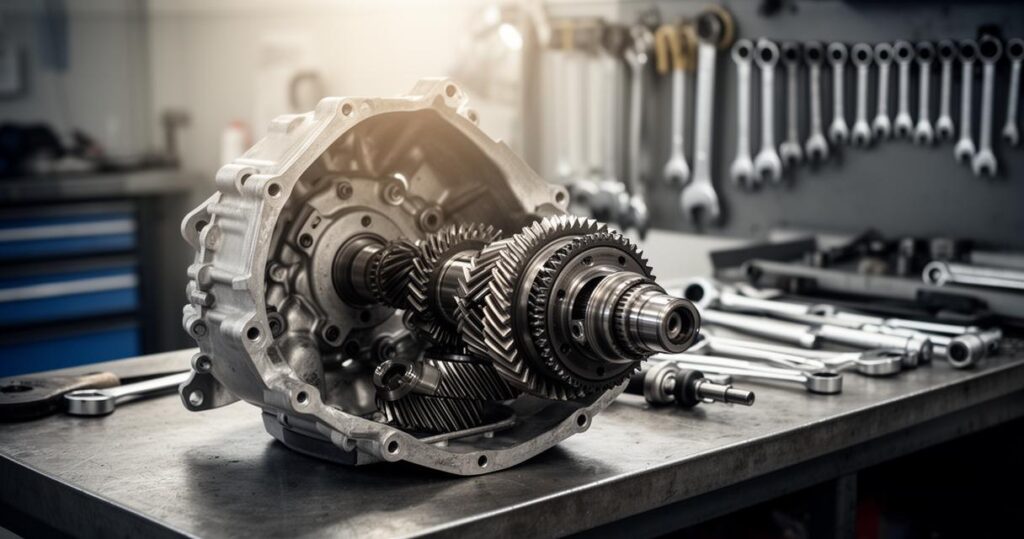
Understanding the intricacies of your vehicle's transmission system is essential for maintaining optimal performance and ensuring your safety on the road. A transmission serves as the heart of your vehicle's drivetrain, seamlessly transferring power from the engine to the wheels. When problems arise, they can manifest in various ways, from unusual sounds to erratic shifting behaviour. Recognising these signs early and knowing how to address them can save you from costly repairs and potentially dangerous situations. This comprehensive guide explores the professional methods used to detect and resolve transmission issues, empowering you with the knowledge to keep your vehicle running smoothly.
- The transmission is a critical drivetrain component that requires early detection of issues to ensure safety and avoid expensive, catastrophic repairs.
- Common warning signs of transmission trouble include gear slipping, delayed acceleration, burning smells, fluid leaks, and illuminated dashboard warning lights.
- Unusual noises like grinding, whining, or clunking during gear changes are often indicative of worn internal components or insufficient lubrication.
- Vibrations felt during driving or gear shifting may point to misaligned internal parts or damaged transmission mounts.
- Erratic shifting behavior, such as rough gear changes or a refusal to shift, frequently stems from worn clutch plates, faulty solenoids, or contaminated fluid.
- Preventative maintenance, particularly regular fluid checks and changes, is essential to counteract wear, prevent overheating, and extend the lifespan of the transmission.
Recognising the warning signs: identifying transmission problems early
One of the most critical aspects of maintaining a healthy transmission is being able to identify problems before they escalate into major failures. Transmission issues can significantly affect vehicle performance and safety, making early detection paramount. Common problems include slipping gears, where the transmission unexpectedly changes gears or struggles to stay in gear, and delayed acceleration, which occurs when there is a noticeable lag between pressing the accelerator and the vehicle's response. In severe cases, transmission failure can lead to total vehicle breakdown, leaving you stranded and facing expensive repairs.
Being vigilant about warning signs can help you catch issues before they become catastrophic. Difficulty shifting gears, whether you drive an automatic or manual transmission, is often one of the first indicators that something is amiss. You might notice the gear stick becoming stiff or unresponsive, or your automatic transmission hesitating when changing gears. Burning smells emanating from under the bonnet can signal overheating transmission fluid, which loses its effectiveness when it becomes too hot. Leaks are another red flag, as transmission fluid is vital for the system's operation, and any loss can lead to serious damage. Grinding noises during gear changes suggest worn components or insufficient lubrication, whilst dashboard warning lights, particularly the check engine light or a specific transmission warning indicator, should never be ignored.
Unusual Noises and Vibrations: What Your Transmission Is Trying to Tell You
Your vehicle communicates with you through sounds and sensations, and unusual noises or vibrations are often the first signs of transmission trouble. Grinding, whining, or clunking sounds when shifting gears typically indicate worn or damaged internal components. These noises suggest that parts within the transmission are not meshing properly, possibly due to insufficient lubrication or excessive wear. If you experience vibrations or shaking whilst driving, especially during gear changes, this could point to issues with the transmission mounts or internal components that have become misaligned or damaged.
Paying attention to these auditory and tactile cues can prevent minor issues from developing into major problems. For instance, a whining noise that increases with engine speed might indicate low transmission fluid levels or a failing pump. A clunking sound when shifting from park to drive or reverse often suggests worn or broken motor mounts, which can affect how the transmission functions. Vibrations felt through the gear stick or the entire vehicle can be a sign of imbalanced or damaged components within the transmission system. Addressing these symptoms promptly with a professional diagnostic assessment can help pinpoint the exact cause and prevent further damage.
Changes in Shifting Behaviour and Performance: Understanding the Symptoms
Changes in how your vehicle shifts gears are among the most noticeable symptoms of transmission problems. Slipping gears, where the transmission shifts unexpectedly or fails to stay in the selected gear, can be both frustrating and dangerous. This issue often results from worn clutch plates in manual transmissions or faulty solenoids in automatic systems. Delayed acceleration, where there is a significant pause between pressing the accelerator and the vehicle moving, suggests that the transmission is struggling to engage the appropriate gear. This delay can compromise your ability to merge into traffic safely or respond to sudden changes in driving conditions.
Hard or rough shifting, where you feel a jolt or jerk when the transmission changes gears, indicates that the system is not operating smoothly. This can be caused by low or contaminated transmission fluid, which loses its ability to provide adequate lubrication and hydraulic pressure. In some cases, the transmission may refuse to shift into certain gears altogether, leaving you stuck in a lower gear and unable to reach higher speeds. These symptoms should prompt immediate attention, as continuing to drive with a malfunctioning transmission can lead to complete failure and leave you facing costly repairs or even the need for a full transmission replacement.
Common causes and essential maintenance: preventing transmission failures
Understanding the root causes of transmission failures is key to preventing them. The most common culprits include wear and tear from regular use, overheating due to excessive strain or insufficient cooling, and fluid contamination that degrades the transmission's internal components. Over time, the constant friction and heat generated during operation can wear down clutches, gears, and seals, leading to diminished performance. Overheating is particularly problematic, as it causes the transmission fluid to break down and lose its protective properties. Contaminated fluid, whether from metal shavings, dirt, or water intrusion, can accelerate wear and cause blockages in the hydraulic system.
Preventative maintenance is the most effective way to avoid transmission problems and prolong the life of your vehicle. Regular servicing, including fluid checks and changes, ensures that the transmission operates under optimal conditions. Moderate driving habits, such as avoiding aggressive acceleration and heavy towing, reduce the strain on the transmission. In colder weather, allowing your vehicle to warm up before driving gives the transmission fluid time to reach its ideal operating temperature, improving lubrication and reducing wear. Being cautious with towing, especially when exceeding your vehicle's recommended capacity, prevents overheating and excessive stress on the transmission components. Addressing any issues early, rather than ignoring warning signs, can prevent minor problems from escalating into major failures.
Worn Components and Low Fluid Levels: The Root of Most Transmission Issues
Worn components and low fluid levels are responsible for the majority of transmission problems. As the transmission operates, its internal parts experience constant friction and heat, which gradually wears them down. Clutch plates, bands, and gears can become thin or damaged, reducing their ability to engage properly. Seals and gaskets may deteriorate, leading to leaks that cause fluid levels to drop. When transmission fluid is low, the system cannot generate sufficient hydraulic pressure to operate correctly, resulting in slipping gears, delayed shifting, and overheating.
Low fluid levels also mean that the remaining fluid must work harder, leading to increased temperatures and faster degradation. This creates a vicious cycle where the lack of proper lubrication accelerates wear on components, which in turn causes more fluid to be lost through damaged seals. Regularly checking fluid levels and topping them up as needed is a simple yet effective way to prevent these issues. However, if you frequently find yourself adding fluid, it is a sign that there is a leak somewhere in the system that needs to be addressed. Professional diagnosis can identify the source of the leak and ensure that it is repaired before it causes further damage.
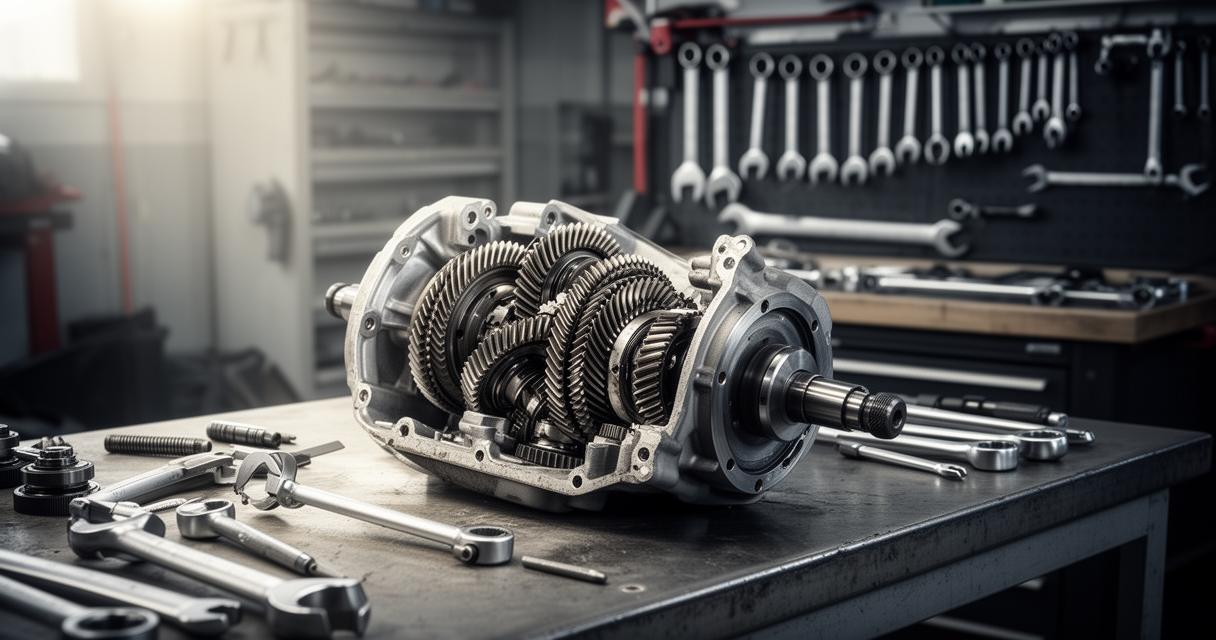
Proper oil and fluid maintenance: prolonging your transmission's lifespan
Transmission fluid plays a crucial role in the health and longevity of your vehicle's transmission. It serves multiple functions, including lubricating moving parts to reduce friction, providing hydraulic pressure for gear changes, and helping to dissipate heat generated during operation. Maintaining proper fluid levels and ensuring that the fluid is clean and in good condition are essential for prolonging your transmission's lifespan. Over time, transmission fluid can become contaminated with metal particles, dirt, and other debris, which reduces its effectiveness and can cause damage to internal components.
Regular fluid checks and changes are vital components of preventative maintenance. Most manufacturers recommend changing transmission fluid at specific intervals, typically every thirty thousand to sixty thousand miles, although this can vary depending on driving conditions and the type of transmission. During a fluid change, old fluid is drained and replaced with fresh fluid, and the filter is often replaced as well to remove any accumulated debris. This process helps to maintain optimal lubrication and temperature control, preventing overheating and reducing wear on the transmission's internal parts. In addition to scheduled changes, it is important to check fluid levels regularly, especially if you notice any of the warning signs mentioned earlier. Low fluid levels or discoloured, burnt-smelling fluid are indicators that immediate attention is needed.
Professional Diagnostics and Repair Solutions: Restoring Your Transmission to Peak Condition
When transmission problems arise, professional diagnosis is essential to accurately identify the issue and determine the most effective repair solution. Modern vehicles are equipped with advanced computer systems that monitor the transmission's performance and can detect issues that may not be immediately obvious. Professional diagnostic scans using specialised equipment can read error codes from the vehicle's onboard computer, providing valuable information about the nature and location of the problem. This approach helps to avoid unnecessary repairs by pinpointing the exact cause of the issue, whether it is a faulty sensor, a damaged component, or a fluid-related problem.
Choosing the right specialist is crucial for ensuring accurate diagnosis and effective repairs. Transmission repair requires specialised knowledge and experience, as the system is complex and varies between automatic and manual transmissions as well as between different makes and models. A reputable transmission specialist will have the expertise and equipment needed to diagnose and repair a wide range of issues, from minor adjustments to complete rebuilds or replacements. Establishments such as Schimpfs Garage, located in Somerdale, New Jersey, offer comprehensive transmission care for both automatic and manual systems across American, European, and German vehicles. Operating Monday to Friday from eight in the morning until five in the evening, they provide detailed diagnostics, routine maintenance scheduling, and expert repair services to residents of Camden, Burlington, and Gloucester Counties, as well as Philadelphia. You can reach them at their contact number, which is eight five six, two eight zero, one two seven four, or visit their facility at four one two South Warwick Road, Somerdale, New Jersey, zero eight zero eight three.
Advanced Diagnostic Techniques: Pinpointing the Exact Cause of Transmission Problems
Advanced diagnostic techniques have revolutionised the way transmission problems are identified and addressed. Gone are the days when mechanics relied solely on visual inspections and test drives to diagnose issues. Today, sophisticated computer diagnostic systems can interface with your vehicle's onboard computer to retrieve detailed information about the transmission's performance. These systems can detect issues such as faulty solenoids, sensor malfunctions, and electronic control unit errors that would be difficult or impossible to identify through traditional methods. By reading error codes and monitoring real-time data, technicians can quickly pinpoint the exact cause of the problem.
In addition to computer diagnostics, physical inspections and pressure tests provide valuable insights into the transmission's condition. Technicians may remove the transmission pan to inspect for metal shavings, which indicate internal wear, or check the condition of the fluid for signs of contamination or degradation. Pressure tests measure the hydraulic pressure within the transmission system, helping to identify issues with the pump, valves, or seals. Road testing the vehicle allows the technician to experience the symptoms firsthand and observe how the transmission behaves under different driving conditions. This comprehensive approach ensures that all potential causes are considered and that the diagnosis is accurate, allowing for targeted and effective repairs.
Expert repair methods: ensuring accurate and lasting transmission fixes
Once the cause of the transmission problem has been accurately diagnosed, the next step is to implement the appropriate repair solution. The complexity and cost of the repair can vary significantly depending on the severity of the issue. Minor problems, such as replacing a faulty sensor or adjusting the linkage, can often be completed quickly and affordably. More serious issues, such as worn clutch plates or damaged gears, may require partial disassembly of the transmission to access and replace the affected components. In cases where the damage is extensive, a complete transmission rebuild or replacement may be necessary.
A transmission rebuild involves disassembling the entire unit, inspecting each component for wear or damage, and replacing or refurbishing parts as needed. This process can restore the transmission to like-new condition and is often more cost-effective than purchasing a new or remanufactured unit. However, if the transmission has suffered catastrophic failure or the cost of rebuilding exceeds the value of the vehicle, replacement may be the best option. A reputable transmission specialist will discuss all available options with you, providing transparent estimates and recommendations based on your vehicle's condition and your budget. Ensuring that repairs are performed by experienced professionals using high-quality parts is essential for achieving lasting results and avoiding recurring problems. Regular follow-up maintenance and adherence to service schedules will help to ensure that your transmission continues to operate smoothly for years to come.
 Maintaining your car
 Taking Advantage of Online Vehicle Classifieds
 Factors to Keep in Mind When Considering Buying a Car
 The benefits of hiring a 4×4 vehicle in Costa Rica
 Essential Safety Tips for Driving on Public Roads
 Quelle est la pression ideale pour mes pneus moto ou scooters ?
 Costa Rica car rentals : what you should know about renting a car in the country
 What are the benefits of on-site cold repair of cast iron equipment ?
 Comment detecter les symptomes d’une pompe a gasoil defectueuse
 Reconnaitre un injecteur defectueux : les signes a surveiller
 Understanding the Costs and Benefits of Engine Replacement
 Understanding the Key Differences Between Grinders and Sanders for Home Projects
 Tips for designing effective construction site signs
 The Right Fit for Safety: How to Recognise an Approved Motorcycle Glove in 2024 Through Proper Hand Measurement