
Essential automobile maintenance tips and tricks for a smoother ride
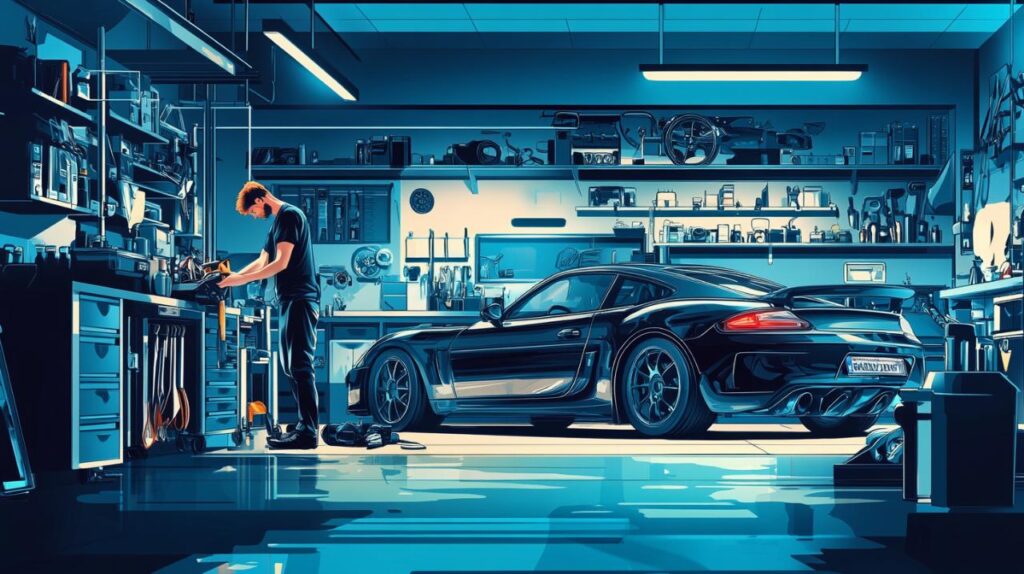
Keeping your motor car ticking over nicely is not just about ensuring a pleasant journey from point A to B. It is about protecting your investment, enhancing safety on the roads, and avoiding those dreaded hefty repair bills that seem to arrive at the most inconvenient moments. Whether you own a petrol runabout, a diesel workhorse, or even an electric vehicle, understanding the fundamentals of vehicle upkeep can make all the difference. A well-maintained automobile not only runs more smoothly but also retains its value far better over the years. With a bit of know-how and some straightforward practices, you can ensure your car remains reliable and road-worthy for many miles to come.
Regular servicing and inspection routines
Establishing a consistent approach to vehicle maintenance is the cornerstone of any reliable motor car. Regular servicing by a qualified mechanic is essential, but it is equally important to complement this with routine checks that you can perform yourself. Many drivers confuse servicing with general maintenance, yet the two serve different purposes. Servicing typically involves a mechanic inspecting and replacing key components according to the manufacturer's schedule, while maintenance refers to the ongoing checks and minor tasks that any owner can undertake to keep their vehicle in top condition. Consulting your owner's manual is vital, as it provides specific guidance on service intervals, recommended fluid types, and the correct tyre pressures for your particular model. These details are tailored to your car and should never be overlooked.
Establishing a proper maintenance schedule
Creating a proper schedule for your vehicle's upkeep means balancing professional servicing with your own regular inspections. It is often recommended that services and MOT tests are booked at different times throughout the year. This staggered approach helps catch any small niggles early, before they develop into more serious and costly problems. Timing belts, for instance, should ideally be replaced a year earlier than the manufacturer suggests, particularly if you drive frequently or cover significant distances. For those who drive more than eight thousand miles annually, an additional oil change halfway through the year is highly advisable. Diesel engines, in particular, are prone to developing engine sludge if oil changes are neglected, so staying ahead of the schedule is a sensible precaution. When booking a service, it is worth being cautious about some of the big chain garages, as their so-called full service may only involve an oil change, oil filter, and air filter replacement using the cheapest parts available. Other crucial filters and fluids, such as the fuel filter and pollen filter, are sometimes overlooked entirely, leaving some cars running on their original filters for over a decade.
What to check during routine inspections
During your routine inspections, there are several key areas that demand attention. Checking your fluid levels weekly is not just about topping them up but also about monitoring any loss, which could indicate a developing issue. Brake fluid, for example, is hygroscopic, meaning it absorbs moisture over time, so it should be changed as recommended by your manufacturer. Similarly, antifreeze should be replaced every three years to maintain the efficiency of your cooling system. Oil and coolant levels should be checked when the engine is cold, and it is wise to inspect the spare tyre as well, ensuring it is properly inflated and ready for use in an emergency. Tyre pressure is another critical factor; it should be checked every two to four weeks, and adjustments may be necessary for laden journeys. However, avoid the temptation to over-inflate tyres in the hope of improving fuel economy, as this can significantly reduce grip and compromise safety. Tyre tread depth must also be monitored closely, with the legal minimum being one point six millimetres, although three millimetres is recommended during winter months. Examining tyre wear patterns can reveal underlying issues with wheel alignment or inflation, both of which should be addressed promptly.
Keeping your motor car reliable and road-worthy
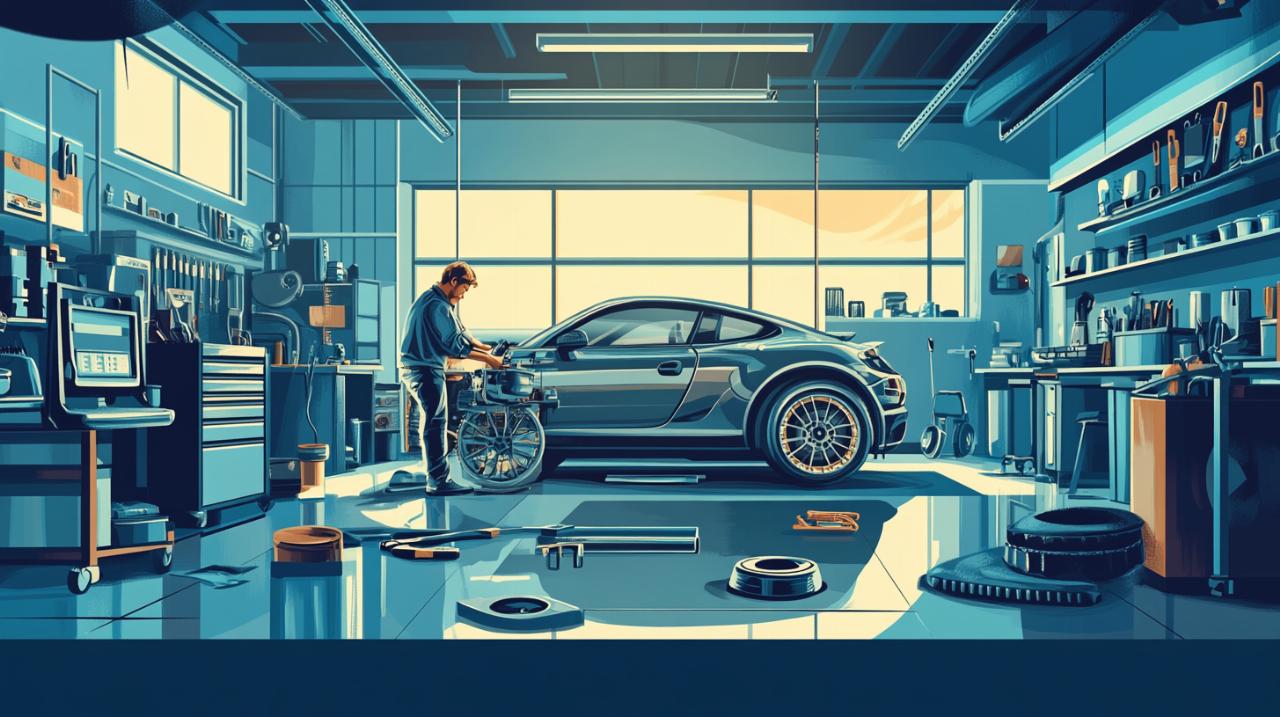
Reliability is the hallmark of a well-cared-for vehicle, and achieving it requires a blend of daily vigilance and seasonal awareness. Simple checks performed regularly can prevent minor issues from escalating into major headaches. For instance, ensuring that your car battery terminals are clean and free from corrosion can extend the life of a battery, which typically lasts between three and five years. Brake pads should be inspected for thickness, with a minimum of three millimetres remaining before they need replacing. If you notice any unusual squeaking from bushes, a quick application of PTFE spray or a similar lubricant can often resolve the problem. When it comes to locks, avoid using oil, as it can attract dirt and gum up the mechanism; instead, opt for graphite powder or PTFE spray, which provides long-lasting lubrication without the mess.
Simple daily checks for longevity
Daily or weekly checks might seem tedious, but they are among the most effective automobile maintenance tips and tricks for ensuring longevity. Before setting off on any journey, take a moment to walk around your car and visually inspect the tyres for any cuts, bulges, or foreign objects that might have become lodged in the tread. Check that all lights are functioning correctly, as faulty indicators or brake lights can be both dangerous and result in a fine. Keeping your windscreen clean is equally important; a smeary windscreen can be cleared effectively with a bit of white spirit or methylated spirit, restoring clarity and improving visibility. Inside the car, make sure that all dashboard warning lights are acknowledged and investigated if they appear. Running your fuel tank dry should be avoided at all costs, as this can cause damage to the fuel pump and introduce debris into the system. Topping up fluids such as brake fluid, oil, and coolant on a monthly basis ensures that your engine and braking systems operate efficiently, reducing wear and tear over time.
Seasonal maintenance considerations
As the seasons change, so too do the demands placed on your motor car. Winter months require particular attention to antifreeze levels and tyre tread depth, as icy and wet conditions can test even the best-maintained vehicles. During this time, it is prudent to check that your battery is in good health, as cold weather can significantly reduce its performance. Summer, on the other hand, brings its own challenges, such as increased engine temperatures and the potential for overheating. Polishing your car should be done in cool conditions and out of direct sunlight to avoid streaking and ensure an even finish. When washing your vehicle, always use a car shampoo that contains rust inhibitors, rather than washing-up liquid, which can strip away protective coatings and accelerate corrosion. Rust prevention is an ongoing battle, particularly for those living in coastal areas or regions where road salt is commonly used. Regular washing and waxing can provide a protective barrier against the elements. For wet timing belts, it is not only important to have them changed but also to ensure that the oil strainer in the sump is cleaned at the same time, as this is where remnants of the rotted belt often accumulate. Spark plugs should always be hand-started to avoid cross-threading, and using the manufacturer's recommended oil and pre-wetting or filling the oil filter before fitting can make a significant difference to engine health. Tyre rotation is a topic of some debate; for front-wheel drive cars, it is often suggested to change tyres side to side rather than front to back, and new tyres should ideally be fitted on the rear axle to allow for a proper run-in period. However, some experts argue that for cost reasons, it is better to replace two tyres on one axle rather than rotating all four. Ultimately, the key is to remain vigilant, consult your owner's manual, and address any issues as soon as they arise, ensuring that your vehicle remains a dependable companion on the road for many years to come.
 Buying a car as a first time buyer
 The importance of a car
The decision of buying a car
The importance of a car
The decision of buying a car
 Unlocking the Secrets to Finding a Bargain at a Used Car Auction
 The Future of Driving: How Technology Is Changing Cars Forever
 Professional car polishing techniques for achieving long-lasting protection
 Understanding car troubleshooting tips for better vehicle performance
 Essential Tips for Choosing the Right Auto Service Provider
 Essential Tips for Optimal Tire Pressure and Performance
 Understanding car insurance costs: what factors influence your premium?
 Essential Tips for Buying a Car in Germany
 Enhance Your Car Maintenance Skills with Essential Tips and Guides
 Understanding auto h concepts in modern vehicle maintenance
 How to Maintain and Upgrade Your Vehicle with Professional Auto Services